

The Benefits of Regular Pest Control for Property Managers
Property managers balance maintenance, tenant satisfaction, compliance requirements, and long-term asset protection. Among the most persistent challenges in residential and commercial properties are pest issues. Without consistent oversight, minor concerns can escalate into widespread infestations that impact multiple units.
Pest problems rarely stay contained. In multi-unit environments, a single untreated issue can quickly affect neighboring spaces through shared walls, hallways, and utility systems. What begins as a small complaint in one apartment can become a building-wide concern if not handled strategically. This is why professional oversight is not simply helpful, but essential for long-term operational stability.
From a professional standpoint, regular pest control is not simply a reactive service. It is a preventive strategy designed to protect structures, support tenant comfort, and reduce operational disruptions. A structured service program that includes seasonal pest inspection offers stability in an environment where pest pressures change throughout the year.
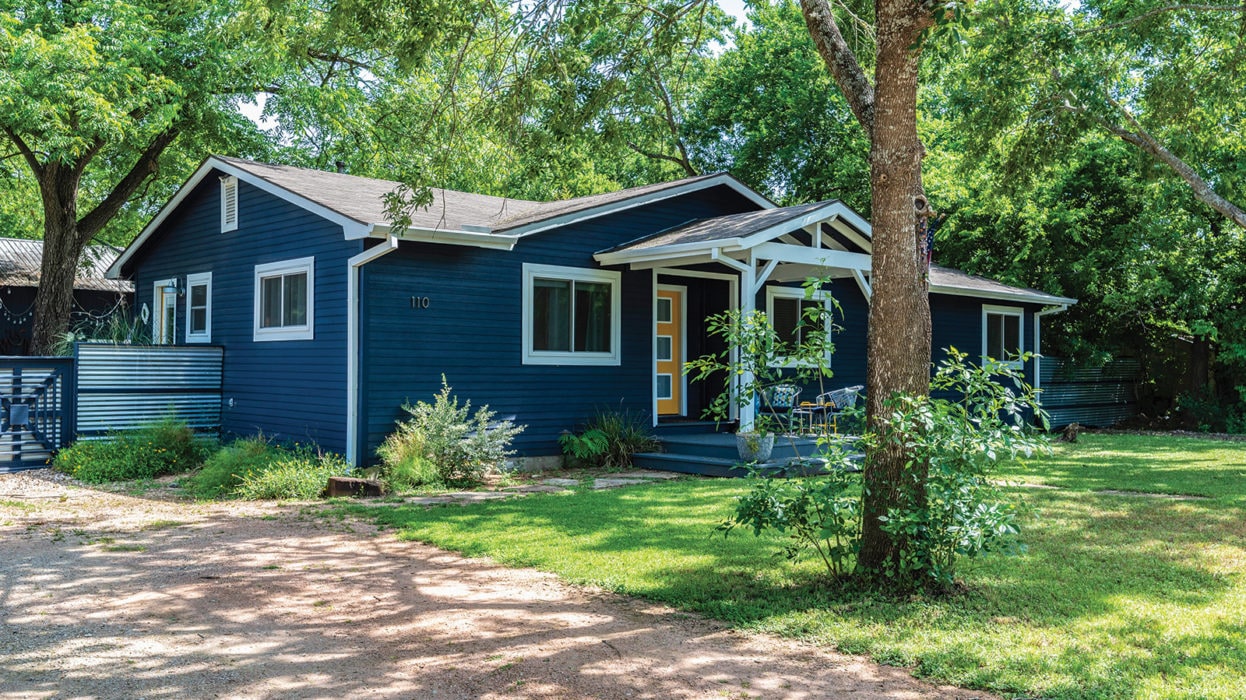
Protecting Multi-Unit Properties from Escalation
Apartment complexes, townhomes, and mixed-use properties provide ideal conditions for pests to spread. Shared walls, plumbing lines, and utility pathways allow insects and rodents to travel between units with little resistance.
Common pests affecting managed properties include:
- Ants in kitchens and break areas
- Cockroaches in damp utility spaces
- Bed bugs in residential units
- Rodents such as rats and mice
- Wasps nesting near entryways
- Termites affecting structural wood
When infestations begin in one unit, they can quickly extend to neighboring spaces. Addressing isolated complaints without a broader strategy often results in recurring service calls.
Regular pest control reduces the likelihood of large-scale outbreaks. By monitoring high-risk areas consistently, property managers prevent minor activity from expanding into multi-unit problems.
Reducing Tenant Complaints and Turnover
Pest sightings strongly influence tenant satisfaction. Even a single report of bed bugs or rodents can affect a building’s reputation and occupancy rates.
A proactive pest program supports:
- Faster response to tenant concerns
- Documented inspection and treatment records
- Reduced frequency of emergency calls
- Greater confidence among residents
Education also plays a role. For example, understanding how travel-related bed bug risks affect residents helps managers communicate preventive steps.
When tenants see consistent professional oversight, they are more likely to feel secure in their living environment. This perception contributes to lease renewals and long-term occupancy stability.
Seasonal Pest Inspection Supports Year-Round Control
Pest activity shifts with seasonal changes. Rodents may seek warmth during colder months, while insects such as ants and wasps become more active in warmer conditions.
A structured program that includes seasonal pest inspection allows managers to anticipate these shifts rather than reacting to them.
Key seasonal monitoring efforts often include:
- Inspecting exterior entry points before winter
- Monitoring moisture-prone areas in spring
- Evaluating nesting zones during summer
- Checking storage and attic spaces in fall
Rodent intrusion, for instance, often increases when temperatures drop. Insights into rodent entry points highlight how small structural gaps can invite significant problems.
Seasonal pest inspection ensures that these vulnerabilities are addressed before infestations gain momentum.
Consistent monitoring also provides documentation that may be valuable during inspections, insurance reviews, or tenant disputes.
Protecting Structural Integrity and Property Value
Beyond tenant comfort, pests can damage structural components and infrastructure. Termites weaken wooden framing. Rodents chew wiring and insulation. Cockroaches contaminate surfaces and contribute to sanitation concerns.
Regular pest control helps protect:
- Structural wood from termite damage
- Electrical systems from rodent chewing
- Stored materials in maintenance areas
- Landscaping from ant and rodent disruption
In commercial settings, pest activity can impact health inspections and business operations. Proactive management reduces liability risks and protects the property’s financial performance.
For property managers overseeing multiple sites, a standardized pest program provides consistency across portfolios. Instead of addressing each issue individually, managers benefit from predictable service schedules and coordinated reporting.
The Long-Term Cost Advantage of Prevention
Reactive pest control often appears less expensive at first. However, emergency treatments, tenant reimbursements, and structural repairs frequently cost more over time.
Preventive service programs offer:
- Predictable budgeting
- Reduced emergency interventions
- Lower likelihood of extensive infestations
- Coordinated treatment across units
When pests are handled early, treatment is typically less invasive and more targeted. This minimizes disruption to tenants and reduces downtime for commercial spaces.
Professional pest management also supports compliance with local housing and health regulations. Documentation of regular inspections demonstrates diligence and accountability.
In competitive rental markets, reputation matters. Properties known for cleanliness and proactive maintenance tend to attract higher-quality tenants and maintain stronger occupancy rates.
A structured pest control program is an investment in stability. It protects both the physical asset and the relationships that sustain it.
Keep Your Properties Protected Year-Round
If you manage residential or commercial properties and want consistent protection against ants, cockroaches, bed bugs, rodents, termites, and other common pests, contact The Bug Master to implement a reliable seasonal pest inspection and control program tailored to your portfolio.