

Best Practices For Implementing A Seasonal Pest Plan
Pests rarely appear at random. Their activity usually follows seasonal patterns driven by temperature, moisture, and food availability. Understanding those patterns allows property owners to prevent infestations before they develop into larger problems. A carefully designed seasonal pest plan helps address pest activity at the right time, using monitoring, prevention, and targeted treatment throughout the year.
Homes and businesses encounter many different pests depending on the season. Ants may become active during warmer months, while rodents often move indoors when temperatures drop. Termites, cockroaches, spiders, mosquitoes, and other pests follow similar cycles. By anticipating these patterns, a seasonal pest plan reduces the likelihood of sudden infestations and maintains long-term protection for the property.
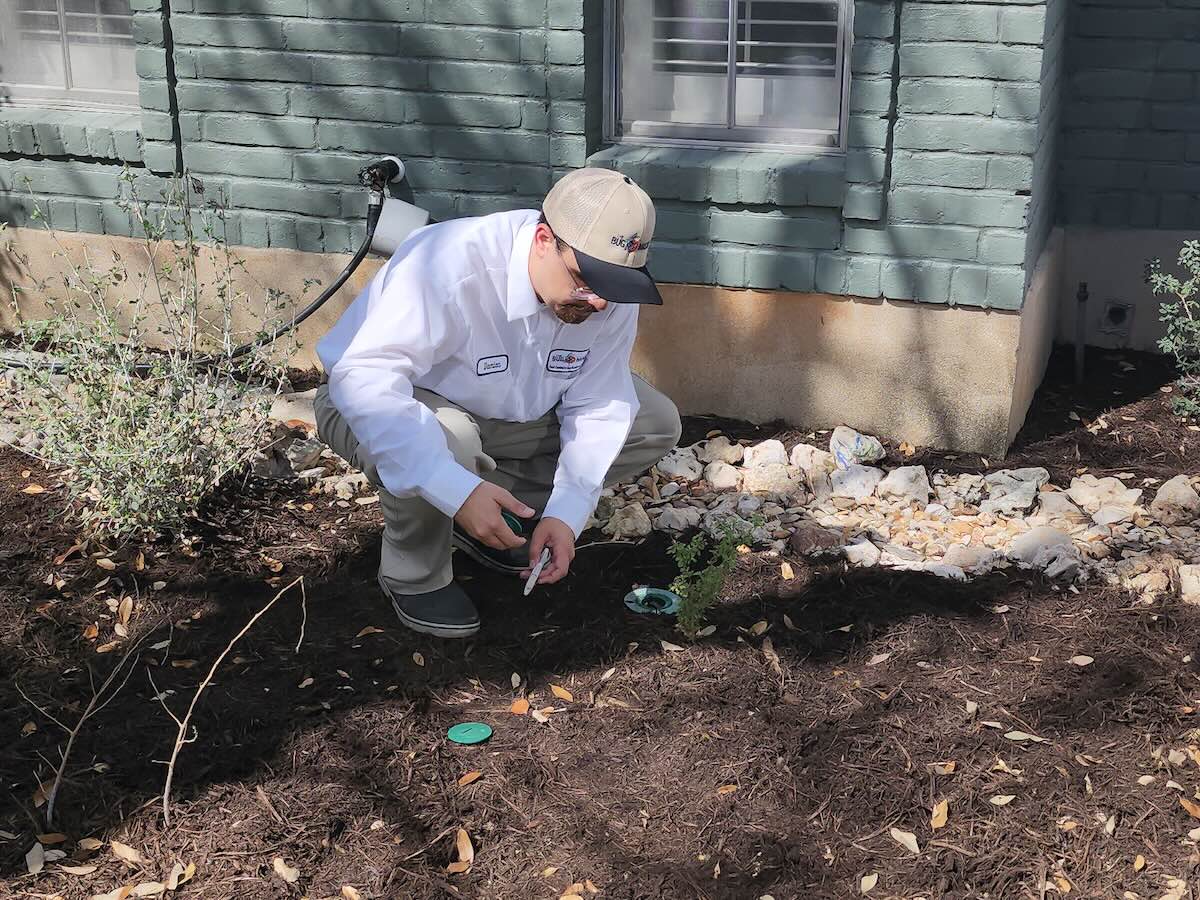
Why A Seasonal Pest Plan Matters For Long-Term Protection
Pest control becomes far more effective when it follows a seasonal strategy rather than reacting only after pests appear. A seasonal pest plan focuses on prevention, early detection, and consistent monitoring throughout the year.
Instead of relying on one-time treatments, a year-round approach helps address pest pressures as they develop. This is particularly important for pests that can reproduce quickly or remain hidden for long periods before being noticed.
A well-structured plan typically addresses common pest threats such as:
- Ants that become active as temperatures rise and begin searching for food indoors
- Cockroaches that thrive in warm environments and may spread rapidly in kitchens or storage areas
- Termites that quietly damage wood structures over time without obvious signs
- Rodents that seek shelter indoors during cooler months
- Mosquitoes that breed in standing water during warmer seasons
- Spiders that often follow other insects into buildings
When these seasonal behaviors are understood, pest professionals can anticipate activity and apply targeted control measures before populations expand.
Conducting Thorough Inspections At Key Points Of The Year
Regular inspections form the foundation of any effective seasonal pest plan. Each season introduces different pest pressures, which means inspections should occur periodically to identify emerging risks.
Professional inspections typically evaluate structural conditions, environmental factors, and areas where pests are most likely to hide or enter.
Key inspection points often include:
- Exterior foundations and structural gaps where ants, rodents, or spiders may enter
- Moisture-prone areas that attract termites and cockroaches
- Landscaping and vegetation that create pest harborage near buildings
- Attics, crawl spaces, and basements, where rodents and insects may nest
- Drainage areas or standing water where mosquitoes may breed
Inspections also help identify early warning signs such as droppings, shed skins, mud tubes, or structural vulnerabilities. Catching these indicators early prevents minor pest activity from escalating into widespread infestations.
Many property managers also benefit from routine pest programs. In fact, the importance of consistent monitoring is highlighted in discussions about the benefits of regular pest control, which explain how scheduled services support long-term pest prevention.
Preventive Measures That Strengthen Your Pest Defense
Prevention plays a critical role in maintaining an effective seasonal pest plan. While inspections identify existing risks, preventive steps help remove the conditions that allow pests to thrive.
Environmental management, structural improvements, and sanitation all contribute to long-term pest control success.
Important preventive strategies include:
- Sealing entry points around doors, windows, and foundation cracks
- Repairing leaks and reducing moisture that attracts termites and cockroaches
- Maintaining proper waste storage to prevent rodent and insect attraction
- Trimming vegetation that touches exterior walls or roofs
- Eliminating standing water that encourages mosquito breeding
- Organizing storage areas to reduce hiding places for pests
These measures significantly reduce pest pressure before treatments are even applied. However, prevention works best when paired with professional oversight. Pest technicians can identify subtle vulnerabilities that may not be obvious to property owners.
Strategic Treatments Designed For Seasonal Pest Activity
Even with strong preventive measures, pest activity may still occur. Strategic treatments help control populations while minimizing disruption to the property.
A seasonal pest plan allows treatments to be scheduled when pests are most active, increasing effectiveness and reducing unnecessary applications.
Professional pest programs may include:
- Targeted treatments for ant colonies during peak activity periods
- Termite monitoring and protection systems to detect structural threats early
- Rodent management strategies during cooler months when indoor activity increases
- Mosquito control approaches that focus on breeding sites and population reduction
- Cockroach treatments designed to eliminate hidden infestations in kitchens and utility areas
These treatments rely on professional knowledge of pest biology, seasonal behavior, and proper product selection. By focusing on timing and precision, pest professionals can manage pest populations while maintaining safety and efficiency.
Many pest management programs also emphasize the health benefits of proactive pest control. Information discussed in articles about family health protection highlights how controlling pests helps reduce contamination risks and improves indoor environments.
Monitoring, Adjusting, And Maintaining The Plan Year After Year
An effective seasonal pest plan is not static. Pest pressures change depending on weather conditions, environmental shifts, and property usage. Continuous monitoring allows pest professionals to adjust strategies based on new observations.
Long-term pest management often involves ongoing evaluation and refinements such as:
- Updating inspection schedules based on seasonal activity trends
- Adjusting treatments if pest behavior changes
- Monitoring areas that have previously experienced infestations
- Reviewing structural or landscaping changes that may affect pest entry points
- Documenting pest activity to guide future prevention strategies
This adaptive approach ensures the seasonal pest plan remains effective year after year. Instead of reacting to infestations, the plan evolves to stay ahead of them.
Professional guidance plays a critical role in this process. Pest technicians track seasonal patterns and environmental changes that may influence pest behavior. Their expertise allows them to refine strategies and maintain consistent protection for both residential and commercial properties.
Take The First Step Toward Smarter Pest Prevention
Creating a reliable seasonal pest plan requires more than occasional treatments. It involves inspections, prevention strategies, targeted control methods, and ongoing monitoring to address pests throughout the year.
For expert assistance in developing a comprehensive pest management strategy, contact The Bug Master to learn how professional guidance can help protect your property and maintain a pest-free environment.