

As temperatures drop, rodents and wildlife look for warmth—and your business might be their next stop. This post breaks down essential winter pest control tips to help you secure entry points, spot early warning signs, maintain clean storage areas, and protect your facility’s exterior. Don’t let a small problem turn into a costly infestation—get ahead with proactive prevention.

Secure Every Entry Point
Rodents don’t need much space to sneak inside - some can fit through holes the size of a dime. Start with a thorough building inspection:
- Replace worn door sweeps to eliminate gaps under doors
- Seal cracks or holes around utility pipes and vents
- Don’t overlook loading docks and garage doors - secure them tightly to prevent access
Sealing up your building now can help avoid costly repairs and shutdowns later caused by rodents.
Know the Signs of an Intrusion
Early detection is key. Stay alert for these red flags:
- Droppings near food storage, walls, or corners
- Gnaw marks on wires, boxes, or wooden surfaces
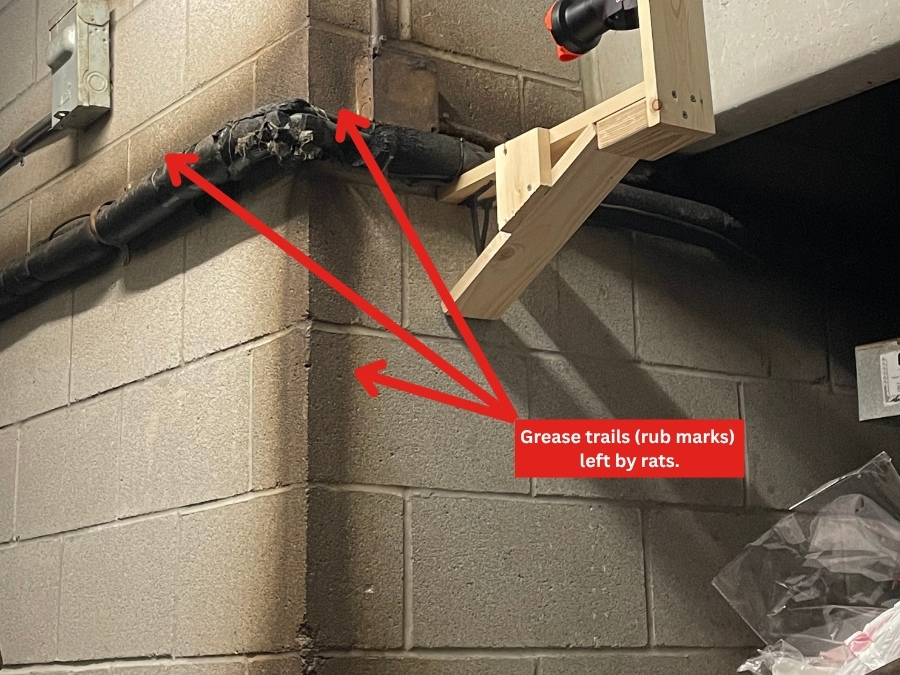
- Grease or rub marks along walls from rodent pathways
- Scratching or movement sounds, especially after hours
Catching the signs early can save you from bigger problems down the line.

Keep Storage and Sanitation Tight
Cleanliness isn’t just about appearances - it’s your first defense against pests.
- Within office breakrooms, store food in sealed containers
- Clean up spills, crumbs, and garbage routinely
- Keep storage tidy and rotate stock often to avoid hidden nests
- For restaurants, clean the kitchen before closing, this can prevent roach infestations
Strong sanitation habits make your space less attractive to pests.
Maintain the Building’s Perimeter
- What’s outside can easily come inside if you’re not careful.
- Keep shrubs and vegetation trimmed at least 2 feet from the building
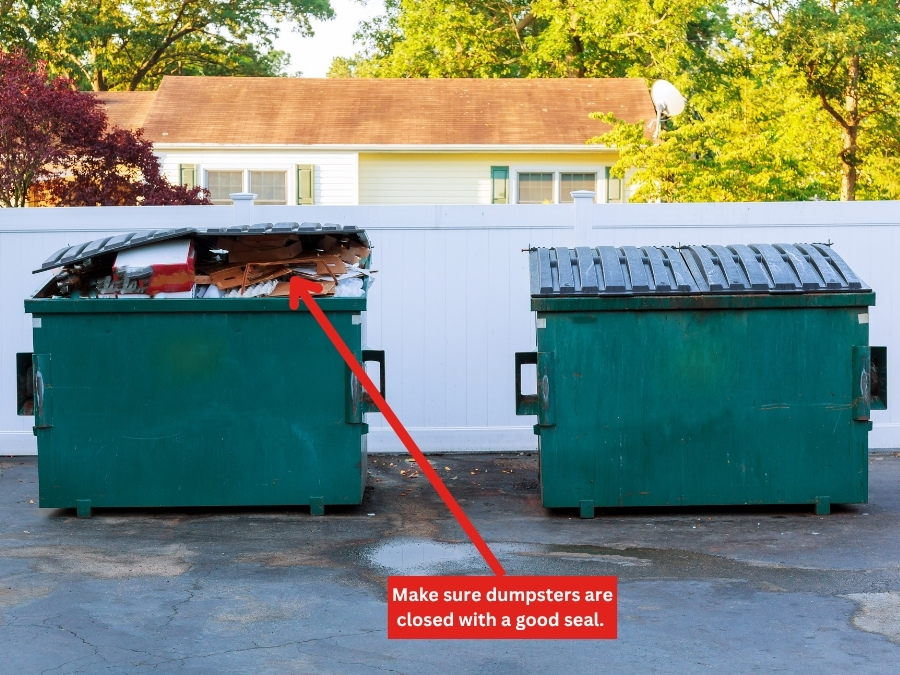
- Make sure dumpsters are sealed tightly and positioned away from entrances
- Remove attractants like pet food, bird seed, or standing water near the facility
Keeping the exterior in check helps reduce pest pressure around the building.
Get Ahead with Proactive Prevention
Rodents reproduce fast - waiting can turn a minor issue into a major infestation.
- Schedule regular pest control service before winter settles in
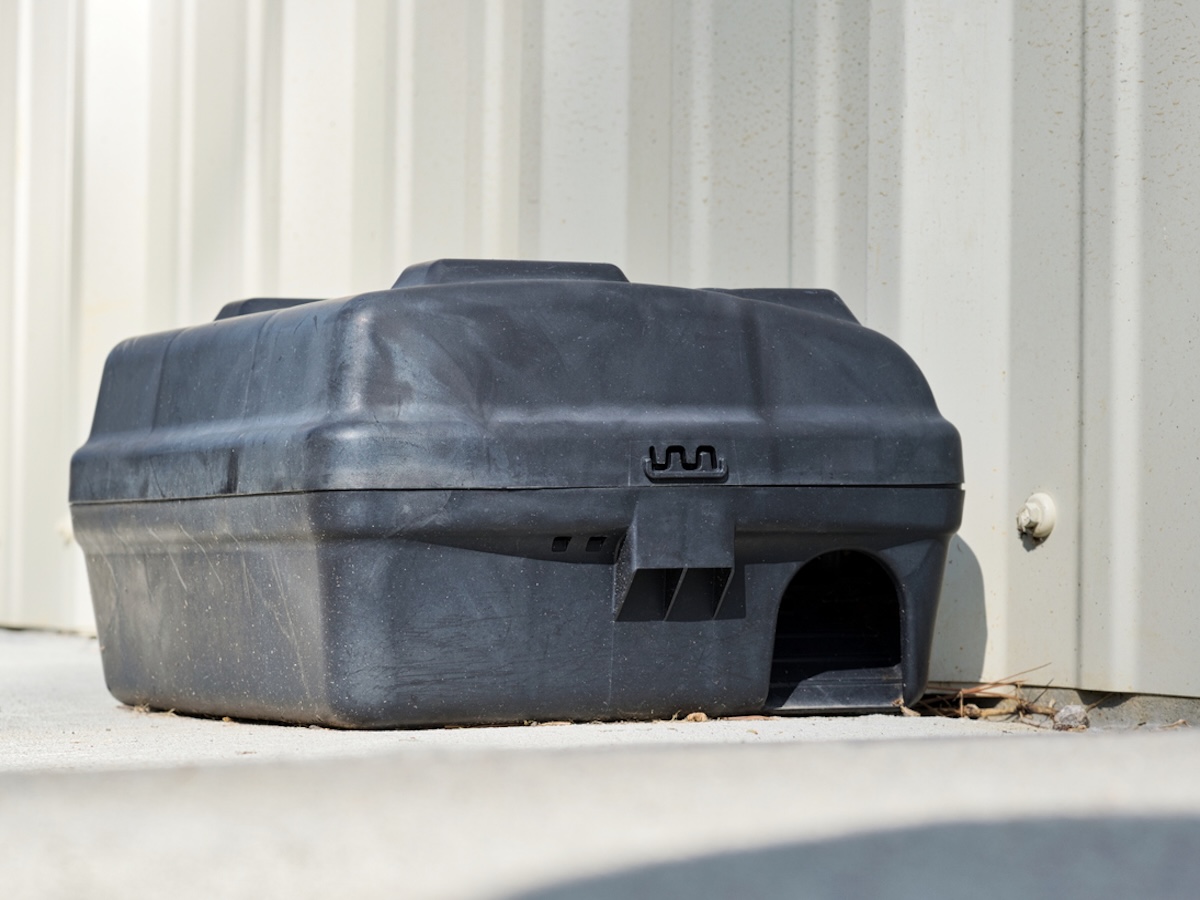
- Make sure your technician checks bait stations, monitors for rub marks, and documents any signs of activity
- Ask for consistent reporting so you know what’s being inspected and addressed at each visit
Routine service is only effective if it's thorough and consistent every time.